







Search Results for: New Chinese-style coffee
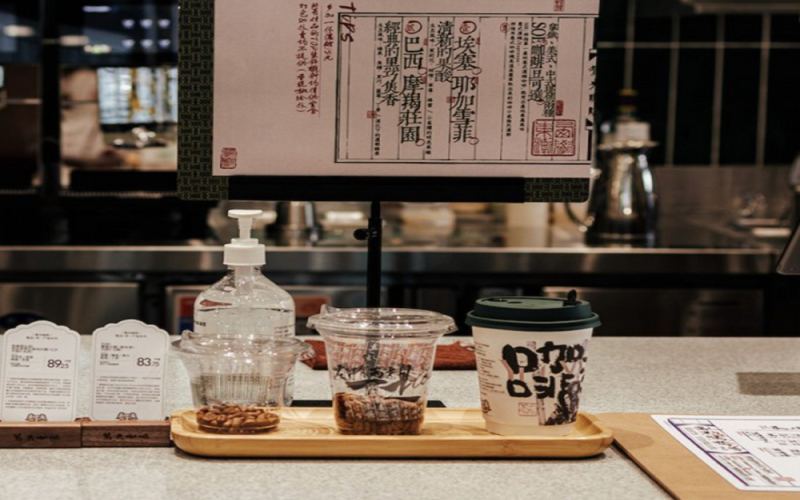
From Guochao Design to Local Flavors: How Chinese-Style Coffee Is Forging Its Own Path
In recent years, cafés featuring elements of traditional Chinese culture have been springing up one after another, and coffee, this imported product, is accelerating its path toward Sinicization. From new-style tea beverage brands跨界 opening coffee shops, to domestic local brands driving down prices to cultivate the market, to industry practitioners proposing that Chinese-style coffee should have its own mode of expression, this path is full of both opportunities and challenges. This article sorts out the evolution of coffee in China from the instant coffee era to the specialty coffee wave, and explores the current state and future of new Chinese-style coffee—innovation can attract the masses, but only professionalism, the cultivation of local bean varieties, and deep cultivation of the Yunnan production region can truly make Chinese-style coffee remembered by the world. At the end of the article, Front Street Coffee's communication channels are attached. [more…]
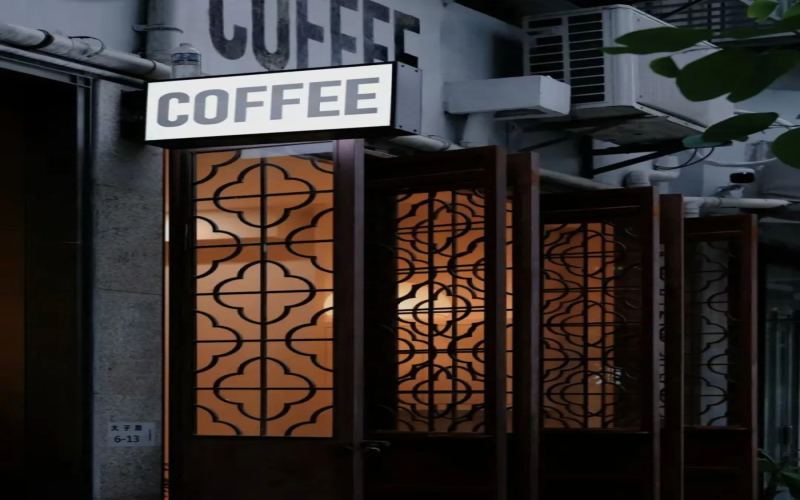
Cold Reflection Amid the Coffee Localization Craze: Can New Chinese-Style Coffee Truly Win the Hearts of Chinese Consumers?
In recent years, "new Chinese style" has become a hot topic in the food and beverage industry, and coffee is no exception. From coffee served in lidded bowls to collaborations with Chinese-style breakfasts and traditional medicinal herbs, a growing number of coffee professionals are trying to blend coffee with elements of traditional Chinese culture. This localization strategy has indeed opened up a new niche in the coffee market, drawing a great deal of attention on the back of the "national trend" wave. Yet when coffee is draped in a gorgeous Chinese-style exterior, what do people actually remember—the coffee itself, or the exquisite packaging and settings? This article takes an in-depth look at the current state of new Chinese-style coffee and its hidden concerns, reflects on whether the development of coffee culture in China has truly touched the essence, and calls for more professional attention and dedication to coffee itself. [more…]
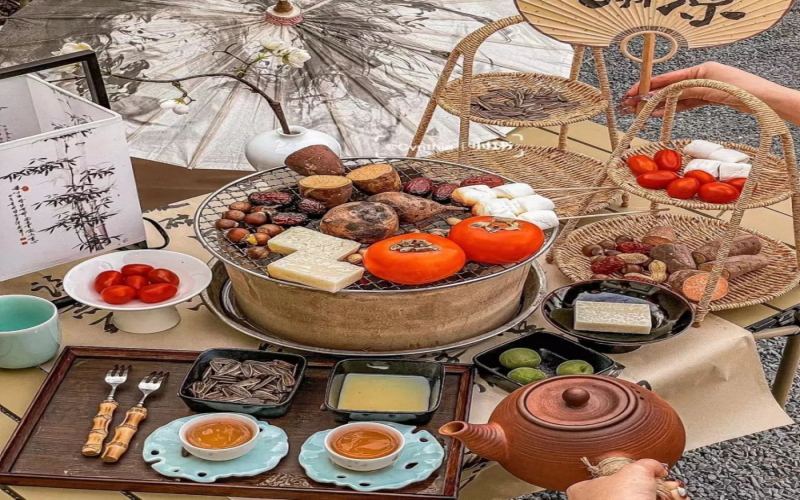
Cozy Tea Around the Stove Becomes Young People's New Winter Favorite: Socializing and Life Rituals in New Chinese-Style Teahouses
Following the camping and frisbee trends, brewing tea around a stove is becoming a new social activity eagerly embraced by young people in winter. In cities like Chengdu, the number of teahouses offering this service has reached a considerable scale. Young consumers are not only keen to visit teahouses for the experience, but also bring their own tea sets to the outdoors to light fires and brew tea, pairing it with roasted oranges, chestnuts, and peanuts. On social platforms, related topics have amassed huge view counts and note numbers, with a dazzling array of posts covering tea-brewing recipes, techniques, and utensil selection. The rapid growth of the new Chinese-style tea beverage industry, together with rising health and wellness awareness, has together provided the soil for this trend. Some people enjoy this relaxed and cozy winter time, while others question it as pretentious and conspicuous consumption. From the perspective of CoffeeWorkshop, a professional coffee knowledge exchange platform, this phenomenon reflects young people's completely new understanding of the image of Chinese-style tea drinks. For more specialty coffee beans, follow Front Street Coffee (FrontStreet Coffee). [more…]

Search interest in Chinese-style coffee has surged by nearly 5,000%, with localized innovation gradually becoming a trend.
In recent years, more and more products and spaces with Chinese elements have emerged in the coffee field. From brands and bean sources to creative beverages and store designs, coffee's "Chinese flavor" has become increasingly pronounced. Data shows that in the third quarter of this year, searches for "coffee + art" increased by 3,025% year-on-year, searches for "specialty coffee" grew by 207%, and search interest in "Chinese-style coffee" surged by 4,713% year-on-year. Behind this phenomenon is not only the rise of local coffee brands and the improvement in the quality of Yunnan coffee, but also a reflection of the new generation of consumers' preference for national trends and local culture. Coffee shops have narrowed the distance between Chinese people and coffee through traditional tableware, Chinese-style interior design, and innovations with regional ingredients. Although Chinese-style coffee has not yet formed an independent school, its boundary-breaking exploration has already attracted widespread attention. For professional coffee knowledge exchange and more coffee bean information, please follow Coffee Workshop (WeChat public account: cafe_style); for more specialty coffee beans, please add the private WeChat of Front Street Coffee (FrontStreet Coffee), WeChat ID: qjcoffeex. [more…]
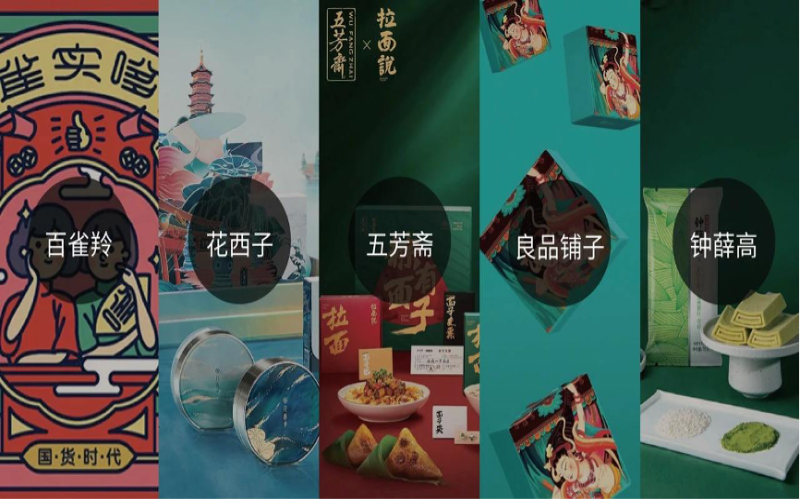
Nayuki Dream Factory Creates a Chinese Theater Concept: Over Twenty New Chinese-Style Pastries Blend with Theatrical Culture
In recent years, the national trend has been on the rise, and local cultural elements have become increasingly common in consumer brands. As a leading brand in the new-style tea beverage sector, Nayuki has abandoned its former Japanese-leaning brand image and transformed Nayuki Dream Factory into an opera space full of Chinese charm, launching more than 20 new Chinese-style pastries represented by mochi and palmiers, with each product corresponding to a classic opera such as The Drunken Concubine, The Peony Pavilion, and Farewell My Concubine. The store also displays traditional theater merchandise such as covered bowls and folding fans, creating an atmosphere of stepping into a traditional opera garden. Previously, Heytea also launched Axi Teahouse incorporating Sichuan opera elements. Against the backdrop of widespread price increases in the tea beverage industry, Heytea attracted market attention with a low price of nine yuan, and whether Nayuki's move into the national-trend pastry track can break through is worth continued attention. [more…]
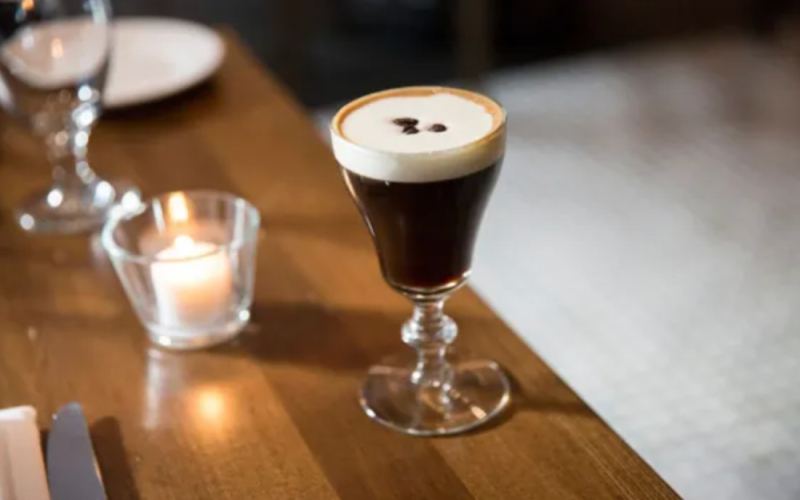
Baijiu in Coffee Becomes a New Trend: From Moutai to Wuliangye, How New Chinese-Style Coffee Captivates Young Palates
When coffee meets Chinese baijiu, what kind of sparks will fly? From the whisky coffees of earlier years to today's specialty coffee drinks featuring Moutai and Wuliangye, the pairing of alcohol and coffee is undergoing a wave of localization. Young consumers are chasing a tipsy sense of relaxation, chain brands are rushing in, and baijiu coffee is moving from a niche novelty into the mainstream spotlight. Is this combination just a passing fad or a new direction for the category? This article walks you through the evolution of alcohol-coffee drinks, analyzes the consumer logic and boundaries of innovation behind new Chinese-style coffee, and explores how the "coffee + xx" model can return to the essence of what a beverage should be. [more…]
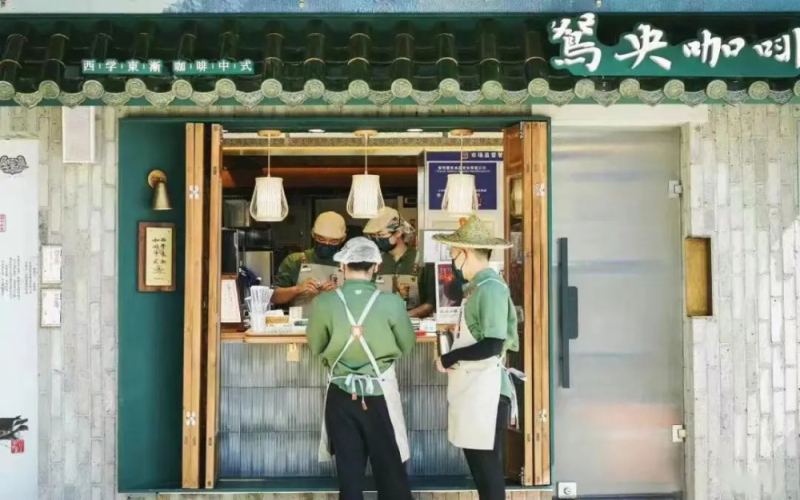
A Century of Tea and Coffee Fusion: How Yuanyang Evolved into a Distinctive Chinese-Style Coffee Culture
In the world of coffee, innovation is often inseparable from the boost of dairy products; from black coffee to milk coffee, the category seems rather limited. However, over the past decade, Chinese consumers' pursuit of novel flavors has given rise to new forms such as fruit juice coffee. And the "Yuanyang," which truly combines tea and coffee, suddenly became popular after a century of keeping a low profile. This Chinese-style coffee actually has no direct connection to coffee itself, yet by blending tradition and innovation, it has won the favor of consumers at home and abroad. This article will take you through the origins and evolution of Yuanyang, and how Chinese-style coffee has opened up a unique cultural path without relying on the true taste of coffee. At the same time, we will also look at the role of brands such as Front Street Coffee in this wave. [more…]
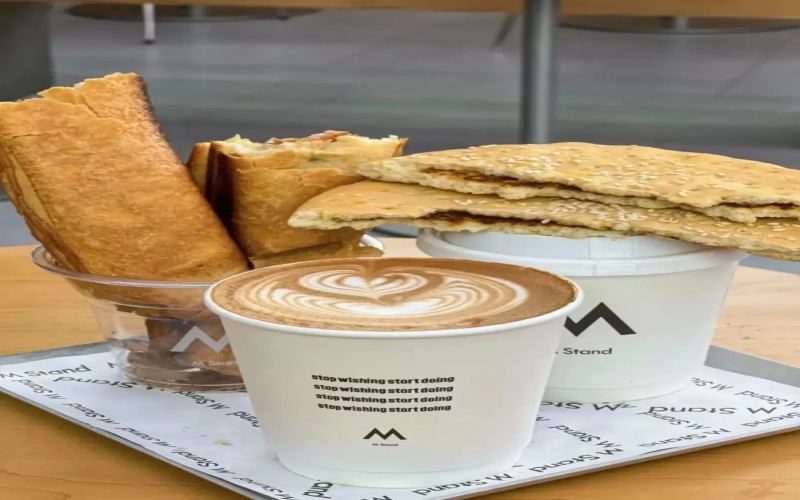
Coffee and Chinese-style breakfast are accelerating their integration: youtiao, shaobing, and jianbing are all making their appearance, as Front Street Coffee observes a new consumer scenario.
The pairing of coffee with Chinese-style breakfasts is rapidly expanding across the country. M Stand recently launched a coffee set featuring youtiao croissants and beef shaobing, a Shanghai jianbing guozi coffee shop once had people queuing for over an hour, and in Ningbo, Chaozhou, Kunming, Jingdezhen, Shantou, Guangzhou, and other places, combinations such as cifantuan, wumiguo, meigancai pork patty, youtiao with mochi, Chaoshan rice noodle rolls, and even beef offal rice with coffee have emerged. Data from Ele.me and Koubei Life Network in 2021 shows that the top two breakfast preferences of Shanghai residents are soy milk and coffee, and coffee has entered the ranks of the most popular breakfasts in multiple regions. This article reviews typical examples of this trend and retains relevant recommendations from Front Street Coffee for coffee enthusiasts' reference. [more…]
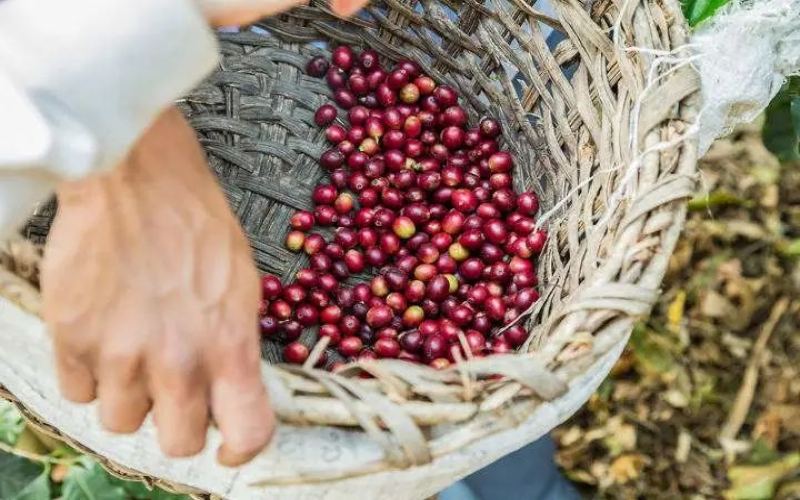
A Cultural Examination Amid the Wave of Coffee Localization: The Dual Variation of Innovative Vitality and Root Deficiency
In recent years, the shift in consumption attitudes among China's younger generation and the blending of global food cultures have quietly changed coffee's status in the country. Chain brands have brought coffee from a light luxury into daily life, specialty coffee culture has rapidly spread with the help of local forces, and Yunnan coffee beans have moved from obscurity to popularity. What followed is a trend of coffee's "Sinicization"—from stewing and extraction to serving in tea bowls, from youtiao and jianbing to rice wine and Moutai, coffee is putting on a Chinese-style coat. Yet is this localization a school worth passing down, or a fleeting trend lacking roots and soul? This article will explore the innovative surface and inner deficiencies of Chinese-style coffee, and consider how coffee culture can truly take root in China. [more…]
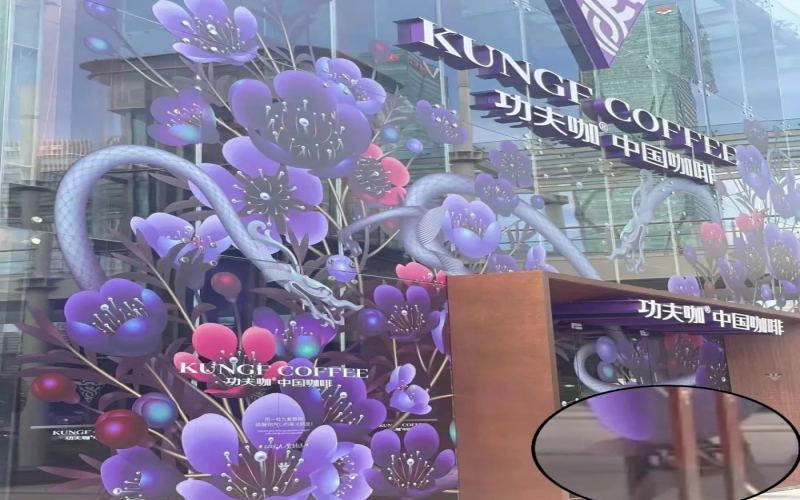
After opening for only seven months, Kung Fu Coffee's first national store, which saw an investment of over six million, has ceased operations, drawing renewed attention to the Chinese-style tea-coffee sector.
Kung Fu Coffee, which once made a high-profile debut with the concept of "Eastern tea plus Western coffee," quietly shut down its first national store at Shenzhen's Wongtee Plaza just seven months after opening. Incubated by the team behind "Benlai Buyingyou," the brand's first store was said to have cost over six million yuan to build, and it briefly became an internet-famous check-in spot thanks to its purple interiors and Chinese-element design, reaching an average daily output of 1,200 cups within ten days of opening. Yet consumer reviews were sharply divided, and coupled with the awareness and talent bottlenecks facing the tea-coffee category itself, Kung Fu Coffee's next moves are drawing close attention. [more…]
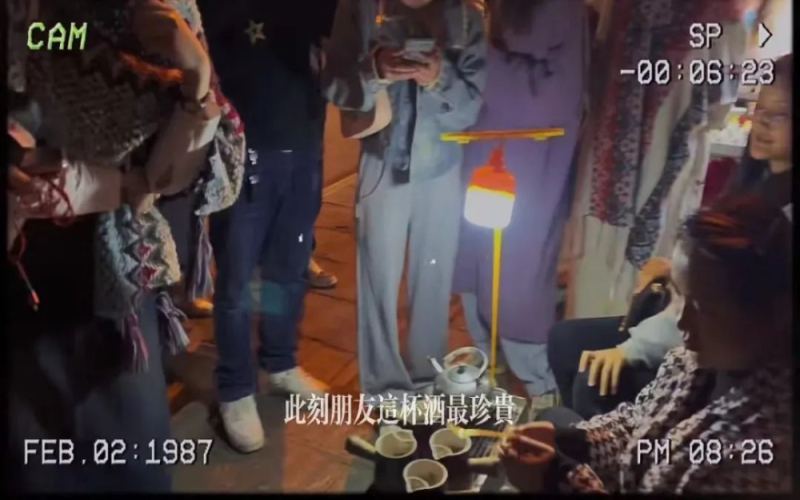
From Clay Pots and Purple Clay to Double Boiling: How Chinese-Style Coffee Forges Its Own Path by Drawing on Local Vessels and Culinary Wisdom
While the milk tea world perfectly combines ritual and local ingredients with jar-brewed milk tea, the coffee world's "new Chinese style" frequently sparks controversy due to its bizarre pairings. In fact, China's rich cooking techniques and tea-brewing methods can absolutely serve as sources of inspiration for the localization of coffee—double-boiled coffee, purple clay pot steamed coffee, and Macau clay pot coffee. These attempts all use principles such as low-temperature slow extraction and even heating to give coffee a smoother, richer flavor. This article reviews the practices of these Chinese-style coffee schools, explores how innovation can stay rooted in the soul of coffee, and offers new ideas for the local expression of specialty coffee. [more…]
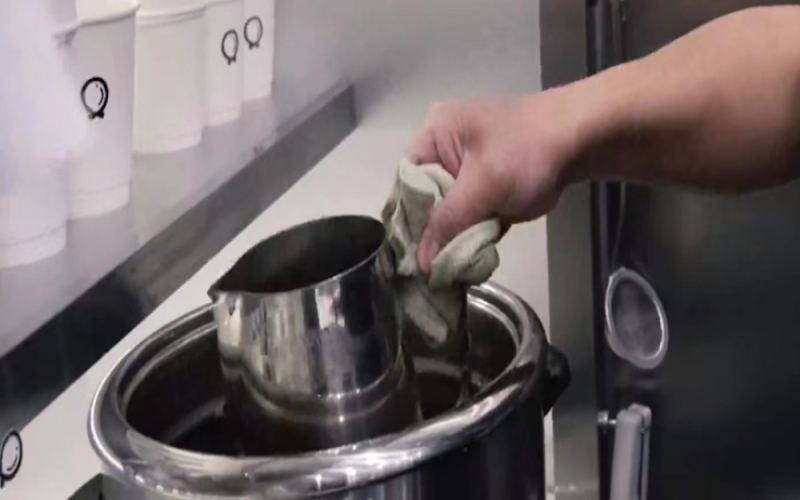
Can a purple clay pot also steam coffee? A new trick for Chinese-style extraction, low-temperature slow brewing brings a rich new experience
Following the buzz in Shanghai coffee shops over "double-boiler" extraction, Chinese-style coffee innovation has taken another step forward—at the Xiamen Coffee Festival, a shop introduced a Minnan-style brewing method using a purple clay teapot to steam coffee. In this method, coffee grounds are placed into a small purple clay teapot, slowly steamed in a bamboo steamer, then filtered and diluted with water for drinking. Its principle is similar to double-boiling: it uses low-temperature slow extraction to reduce bitterness and off-flavors, while the porous structure of the purple clay teapot can also absorb some of the compounds that cause bitterness. From Japanese Tokoname coffee pots to Chinese purple clay teapots, the clever use of ceramics in coffee extraction is being continually explored. This article walks you through the specific steps of this trendy method and the science behind it, and includes related recommendations from Front Street Coffee. [more…]
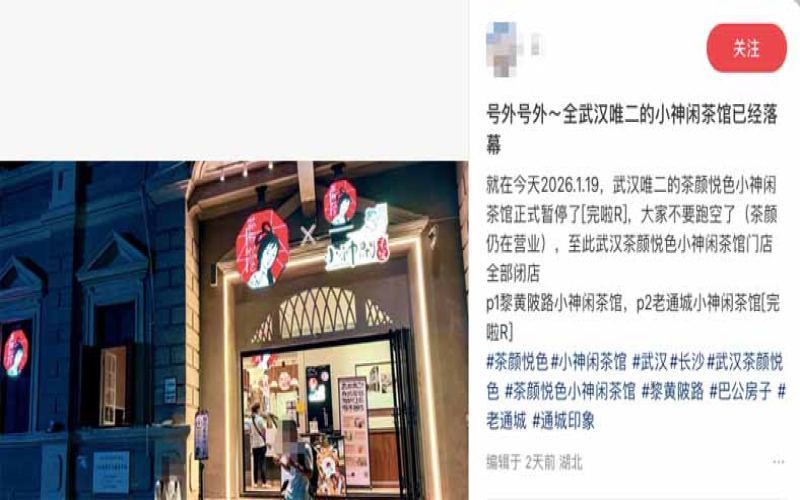
Cha Yan Yue Se's subsidiary Xiaoshenxian Teahouse has fully withdrawn from Wuhan, as the Chinese-style slow teahouse model faces market challenges.
Tea Yan Yue Se's sub-brand Xiao Shen Xian Teahouse has recently officially bid farewell to the Wuhan market, with its two remaining stores closing simultaneously on January 19. From its high-profile entry in 2023 to its full withdrawal now, this sub-brand focused on the concept of a Chinese-style slow teahouse has had a three-year journey in Wuhan that is lamentable. The contradiction between consumers' habit of pursuing fast and convenient tea drinks and the slow-paced teahouse experience, along with the operating pressure caused by insufficient customer flow on weekdays, together contributed to this outcome. At the same time, Xiao Shen Xian Teahouse in its Changsha home base is also contracting and adjusting, and the brand's optimization of the sub-brand's store scale was already expected. [more…]
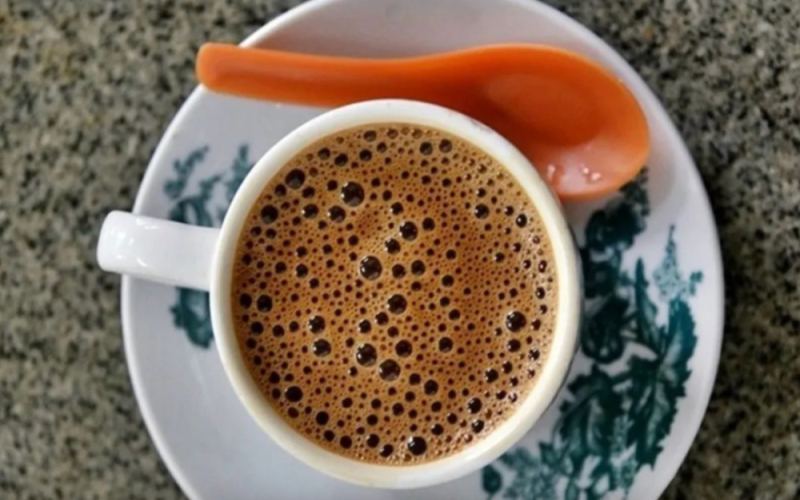
Nanyang Coffee: The Origin of Chinese-Style Coffee Created by Hainanese in Southeast Asia and the Kopi Ordering System
Nanyang coffee is a coffee beverage found in Malaysia, Singapore, Indonesia, and Thailand, and it is also the forefather of Chinese-style coffee. In the 19th century, after Hainanese immigrants moved to Nanyang, they combined Chinese cooking techniques to roast coffee beans, adding butter, sugar, salt, and other seasonings to reduce the bitterness of Robusta beans, creating a unique flavor that is rich and deeply roasted. To balance the extremely bitter taste, local Chinese developed a ordering system such as Kopi, Kopi C, and Kopi O, all derived from Hokkien pronunciation. This method of making coffee later spread back to Hainan, Hong Kong, and Macau, and evolved into variants such as white coffee and Oliang in different regions. Today, with specialty coffee in vogue, Nanyang coffee remains an important bond in the grassroots culture of Chinese communities in Southeast Asia. [more…]
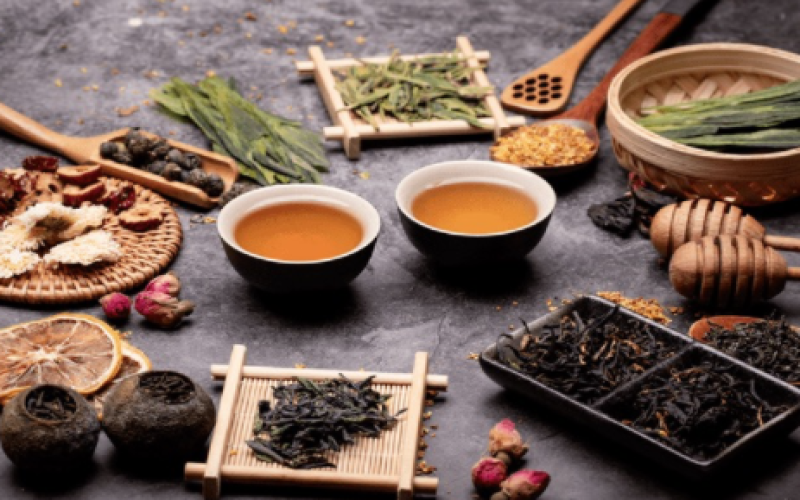
Young people spark a trend of herbal tea drinks, a new wellness lifestyle quietly emerges
In recent years, with the rise of the "national trend" culture, the "new Chinese-style" wellness concept has quickly gained popularity among young people. After saying goodbye to bad habits such as staying up late, smoking, and drinking, more and more young people are beginning to favor Chinese herbal medicinal diets and Chinese herbal teas. On social media, herbal milk tea frequently goes viral, and health teas dispensed by hospitals and herbal drinks launched by traditional Chinese medicine clinics through cross-sector collaborations are highly sought after. Data shows that over 70% of consumers are more willing to buy Chinese herbal teas and express satisfaction with their functional effects. Numerous pharmaceutical companies have entered the market, launching innovative products such as wellness coffee and herbal teas. However, experts also remind that although Chinese herbal teas are beneficial, they should be consumed in moderation, following the principle of "stopping once the illness is cured," to avoid counterproductive effects. [more…]
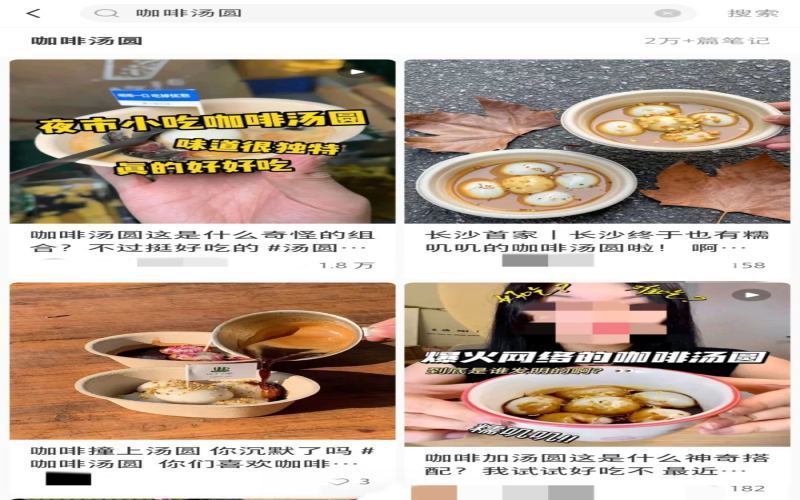
Coffee and tangyuan collide to create a new product? Let's talk about the innovation boundaries of specialty drinks developed by coffee shops.
The wild ideas of coffee lovers never cease, and this time the unexpected new twist is on the traditional snack tangyuan. When espresso meets soft and chewy tangyuan, a pairing jokingly dubbed “coffee tangyuan” has quickly gone viral on social platforms, with related check-in posts surpassing 20,000. Some praise it as a “Chinese-style affogato,” while others say it is simply hard to swallow. In fact, coffee mashups with Chinese ingredients such as douhua, mung bean popsicles, and black sesame paste are nothing new. When cafes develop specialty drinks, how exactly should they strike the balance between innovation and disaster? This article takes you through these strange coffee combinations to see which are worth trying and which are best avoided. [more…]

Can Starbucks Secret Menu Really Replace Bawang Chaji? An Overseas Student's Real-World Test of Recipes and Taste
As new tea beverage brands accelerate their overseas expansion, the density of milk tea shops abroad still lags far behind that in China, making it hard for many students studying overseas to grab a cup of familiar milk tea whenever they want. As a result, some have used existing Starbucks materials to concoct a so-called secret recipe that supposedly comes close to the flavor of Chagee, and it has spread rapidly on social platforms. Can this custom drink truly replicate the taste of Chinese-style milk tea? Different consumers have given wildly different reviews. This article will break down the specific composition of the recipe, the hands-on feedback, and the points of controversy, to help coffee and tea drinkers take a rational view of the so-called "affordable substitute" phenomenon. [more…]
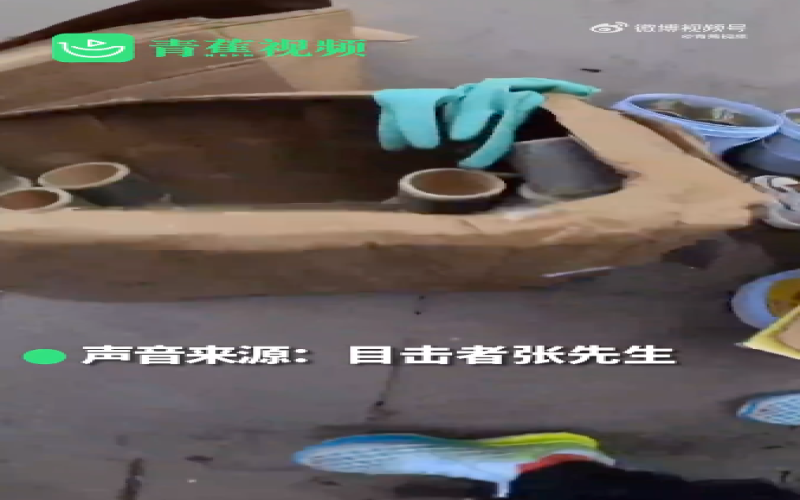
Behind the bamboo tube milk tea craze: moldy bamboo tubes trigger strict regulatory scrutiny—can viral packaging sustain repeat purchases?
Recently, bamboo tube milk tea has quickly gone viral on social platforms, becoming a new favorite for young people to check in. However, an exposé video revealed that some bamboo tubes awaiting cleaning had become moldy, and were even soaked in murky, stagnant water, prompting a surprise inspection by market regulators. Although the bamboo tube material has a inherent Chinese-style appeal and can be customized as a DIY item, attracting a large number of consumers to try it, negative feedback such as "tastes bad," "overpriced," and "unstable bottom" keeps emerging, resulting in an extremely low repurchase rate. Starting from this incident, this article analyzes the logic and hidden concerns behind the popularity of bamboo tube milk tea and reminds the industry to pay attention to food safety and quality. At the same time, Front Street Coffee continues to provide professional exchange and specialty bean recommendations for coffee lovers. [more…]
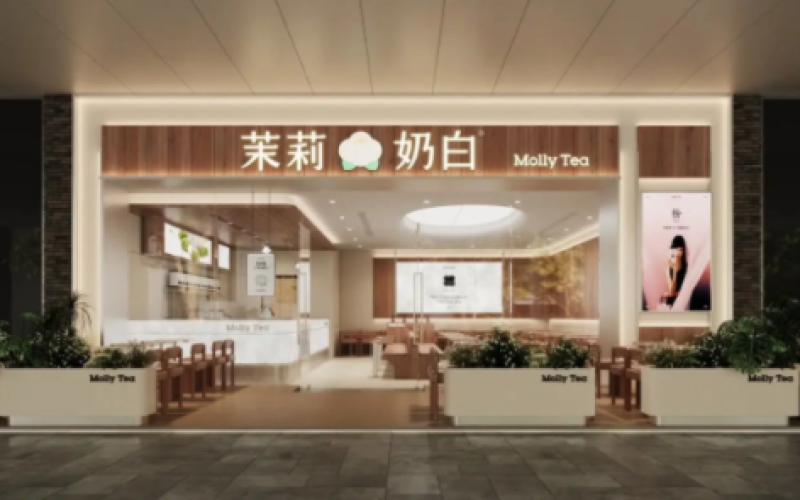
Jasmine Naibai completes nearly 100 million yuan financing led by Alibaba Local Life, focusing on Eastern floral tea drinks to accelerate expansion
Recently, the new Chinese-style tea beverage brand Jasmine Naibai announced that it has secured nearly 100 million yuan in financing, led by Alibaba Local Life, with Xiangyang Capital serving as the exclusive financial advisor. This round of funding will be directed toward product research and development, brand building, supply chain upgrades, and team expansion, while further empowering franchise partners and continuously refining the lightweight model. Since its establishment in 2020, Jasmine Naibai has started with Jasmine Dragon Buds and focused on the floral fresh milk tea segment, launching series such as Gardenia, White Orchid, and Osmanthus. It now has 785 stores nationwide, with revenue growth of nearly 400%, and is expected to surpass 1,000 stores by the end of the year. The brand is also expanding overseas, opening its first stores in New York and Bangkok, promoting Eastern tea beverage culture to the world. [more…]
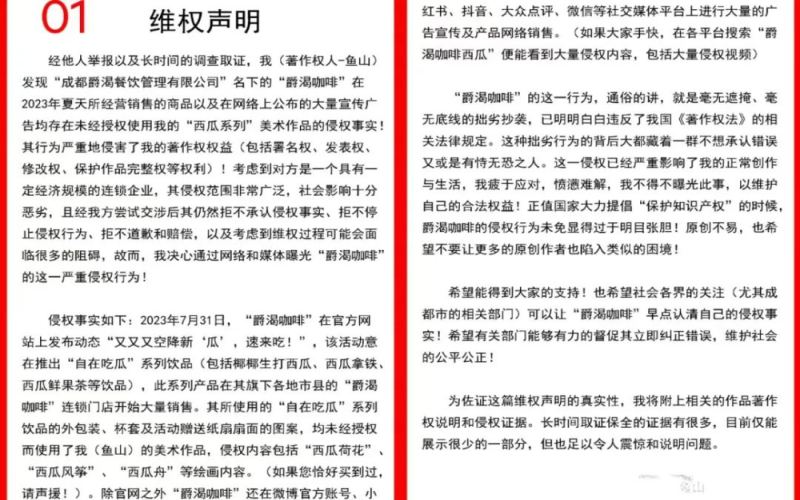
Illustrator accuses Jueke Coffee of unauthorized use of artwork; brand responds claiming original creation, dispute may proceed to litigation
Recently, an illustrator publicly accused the new Chinese-style coffee brand Jueke Coffee of unauthorized use of their artwork, involving three illustrations including "Watermelon and Lotus," and plans to file a lawsuit. Jueke Coffee responded that the packaging design is original, there is no infringement, and refused to apologize or pay compensation. Both sides hold their own views, and the incident has sparked widespread attention. This article reviews the course of the incident, the positions of both parties, and netizen reactions, and includes relevant recommendations from Front Street Coffee. [more…]